Introduction
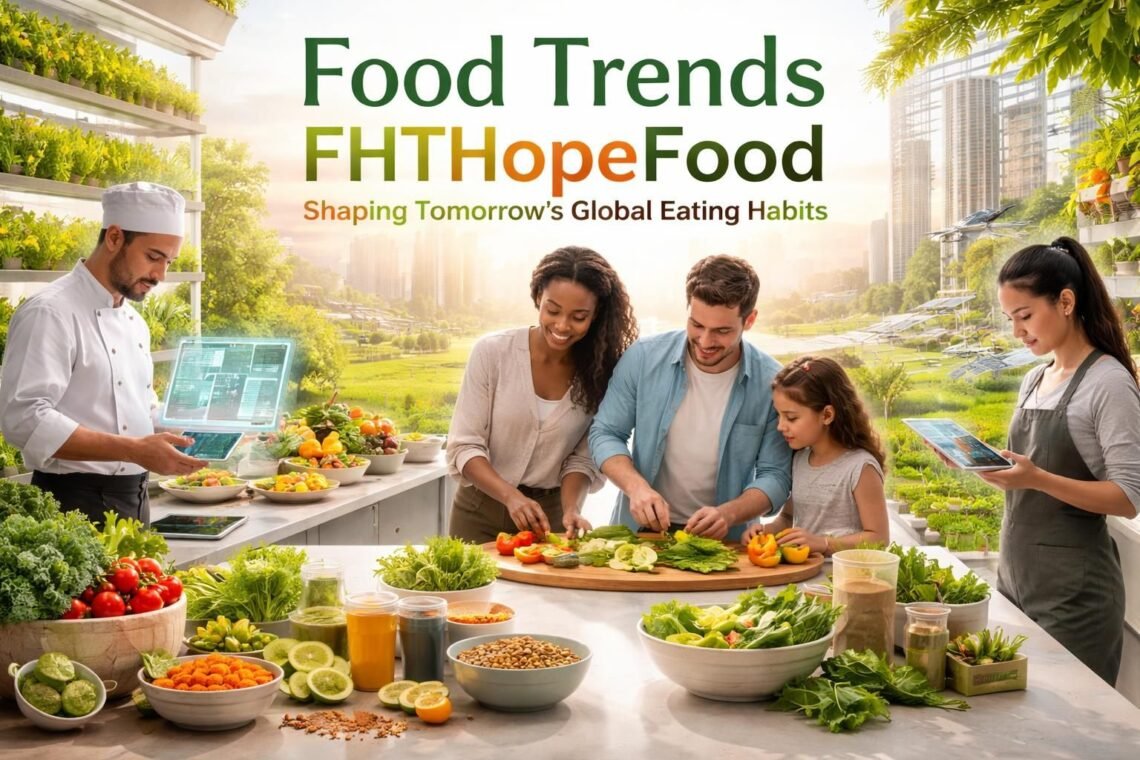
Imagine a world where preparing meals is not only effortless but also promotes a much healthier lifestyle. As we delve into the future of food, an increasingly digital landscape is emerging, revolutionizing our eating habits through numerous advancements. At the heart of this transformation lies artificial intelligence, designed to enhance the cooking experience while ensuring the nutritional value of our meals is preserved. Picture the ease with which a home cook, guided by AI technology, can create gourmet dishes tailored to their individual health needs and preferences. This is not mere fantasy but a glimpse into the future that is already being cultivated.
Moreover, the foundation of sustainable eating is becoming increasingly fortified as consumers advocate for healthier and environmentally conscious lifestyles. Food production trends are shifting towards regenerative practices, emphasizing local, seasonal, and plant-based sources. This not only reduces our carbon footprint but also enriches our communities, promoting food systems that are sustainable and beneficial for both people and the planet. As we become more engaged with our food sources, the connection between our health and the health of the environment is more evident than ever.
Such commitment to sustainability and health is anticipated to lead to happier, more fulfilling lives. The preferences of modern eaters are evolving, with significant importance placed on the welfare of the planet, nutrition, and overall community health. Advancements in technology, combined with a dedication to sustainable practices, is creating a culinary landscape that fosters well-being on multiple fronts. As we explore the various trends that will shape our future food culture, it is clear that health-conscious choices are not just an individual aspiration but a collective movement towards a more vibrant future.
Understanding Food Trends in the Context of FHTHopeFood
Food trends play a pivotal role in influencing our eating habits, behaviors, and overall wellness. In the context of FHTHopeFood, these trends signify a shift towards a healthier, more sustainable, and innovative culinary landscape. FHTHopeFood encapsulates the ideas of future health, technology, and the optimism associated with food innovation, which together contribute to a transformative approach toward nutrition and meal preparation.
The concept of food trends within FHTHopeFood emphasizes the integration of advanced technology in the food industry. Modern advancements, such as precision agriculture, biotechnology, and digital food platforms, are allowing us to reevaluate traditional methodologies in food production and distribution. Technology enables farmers to optimize crop yields while using sustainable practices, which ultimately enhances food security and nutritional value.
Moreover, the focus on future health urges us to consider the long-term effects of our dietary choices. With a growing awareness of health-related issues like obesity and chronic diseases, people are increasingly seeking diets rich in nutrients and low in processed ingredients. This trend encourages a return to whole foods and less reliance on artificial additives, fundamentally altering cooking practices and eating habits.
In addition to the technological and health aspects, the idea of ‘hope for food’ reflects the collective belief in a future where food innovations can solve pressing global challenges, such as hunger and environmental degradation. By fostering creativity and sustainability, food trends are reshaping how we think about our diets and encouraging positive change.
In essence, the trend of FHTHopeFood is not merely about what we eat, but how we approach food as a vital component of our well-being and the health of our planet. This holistic perspective is essential as we navigate the evolving landscape of food consumption.
Why Food Habits Are Changing Worldwide
Food habits are undergoing considerable transformation across the globe due to a range of interconnected factors. One of the most influential drivers of these changes is technological advancement. Innovations such as mobile apps for food delivery, online grocery shopping, and the increasing presence of plant-based products have altered the way consumers approach meal preparation and dining choices. As these technologies integrate seamlessly into daily life, they foster a more flexible and varied approach to food consumption.
Health consciousness among the population is another significant factor reshaping eating habits. As individuals become increasingly aware of the impacts of diet on overall well-being, there is a growing demand for healthier options. This shift is reflected in rising preferences for organic products, whole foods, and alternatives that cater to specific dietary needs, such as gluten-free or low-carb options. Consequently, food industries are responding by diversifying their offerings and marketing healthier choices, further changing the landscape of food habits.
Cultural exchanges, amplified by globalization, are also playing a pivotal role in changing food habits. The world is now more interconnected than ever, leading to a rich sharing of culinary traditions across borders. As people experience different cuisines through travel or social media, they often adopt elements from these cultures into their own diets, promoting diversity in food choices and altering traditional eating patterns.
Lastly, sustainability concerns are significantly influencing food habits. Growing awareness about environmental issues related to agriculture and food waste is leading consumers to prefer sustainably sourced ingredients and locally produced foods. This change not only affects individual preferences but also encourages businesses to adopt practices that prioritize sustainable food systems.
Major Food Trends in FHTHopeFood
The culinary landscape is undergoing transformative changes, influenced by evolving consumer demands and technological advancements. Within the FHTHopeFood framework, several key trends have emerged that are significantly shaping our eating habits in modern society.
Plant-Based Foods Revolution
One of the most prominent trends is the rise of plant-based foods. This revolution stems from a growing awareness of the health benefits of a diet rich in fruits, vegetables, legumes, and grains. Consumers are increasingly seeking alternatives to meat and dairy products, leading to an explosion of innovation in plant-based food options. These choices not only cater to vegetarians and vegans but also appeal to meat-eaters looking to reduce their consumption of animal products. The plant-based foods revolution promotes sustainability by lowering the carbon footprint associated with traditional livestock farming.
Functional Foods and Superfoods
Functional foods and superfoods are gaining traction as consumers become more health-conscious. Functional foods, which are fortified with additional nutrients or probiotics, are designed to provide health benefits beyond basic nutrition. They are perceived as an integral part of preventive healthcare. Additionally, superfoods like quinoa, chia seeds, and kale are prized for their nutrient density, and they contribute to overall well-being. The integration of these foods into daily diets reflects a shift towards wellness-focused eating habits.
Smart Agriculture and AI Farming
The implementation of smart agriculture and AI farming techniques is redefining food production. These technologies boost agricultural efficiency, enhance crop yields, and reduce waste by utilizing data analytics, sensors, and automation. This approach not only saves resources but also ensures food security in an era of climate change. The role of technology in shaping the future of food is a powerful force, aligning with the FHTHopeFood vision of innovation.
Lab-Grown Meat and Future Protein
Lab-grown meat represents a disruptive innovation in the protein landscape. Cultivated from animal cells, this alternative addresses ethical concerns and environmental impacts while meeting the protein demands of a growing population. As technological advancements continue, lab-grown meat is poised to become more accessible and affordable, thus playing a significant role in sustainable food systems.
Global Fusion Foods
Global fusion foods illustrate the melding of culinary traditions from diverse cultures, resulting in unique flavor profiles and dishes that celebrate multiculturalism. This trend promotes culinary exploration and creativity, allowing consumers to experience diverse cuisines within the confines of their own kitchens. Encouragingly, global fusion foods highlight the importance of inclusivity in food culture.
Sustainable Packaging and Zero Waste
Finally, sustainable packaging and zero waste initiatives are increasingly prioritized by both consumers and producers. The focus on reducing plastic usage and adopting eco-friendly packaging solutions reflects the urgent need for environmental responsibility. Brands are innovating to create sustainable packaging options that minimize waste while maximizing functionality. The zero waste movement encourages the utilization of food scraps and promotes a circular economy, further enhancing sustainability in food consumption.
Collectively, these trends within the FHTHopeFood framework are not merely passing fads but represent a profound shift in how we approach food, sustainability, and health in the modern culinary landscape.
What Should I Cook Based on What I Have?
The art of cooking at home is not solely about following recipes; it is equally about harnessing your creativity and utilizing the ingredients available in your pantry. Embracing the Future of Food (FHTHopeFood) philosophy promotes the concept of maximizing resources while minimizing waste. This attitude encourages cooks of all skill levels to think outside the box and create delicious dishes using what they have on hand.
The first step in this process is assessing your available ingredients. Open your pantry and refrigerator, and take stock of what you currently possess. Identify staples, such as grains, legumes, canned goods, and spices. Seasonal vegetables from your garden or local market can also serve as a base for many dishes. Next, consider combining these ingredients in innovative ways. For instance, a simple collection of rice, canned beans, and some spices can transform into a flavorful burrito bowl or a hearty vegetable stir-fry.
When pondering what to cook, think about familiar flavor profiles and complementary ingredients. For instance, if you have pasta and vegetables, consider creating a stir-fried pasta dish with some olive oil, garlic, and whatever vegetables are at hand. Additionally, leveraging herbs and spices can elevate a basic meal. Even the simplest dishes become exciting when paired with fresh or dried herbs, enhancing the overall taste without requiring complex cooking techniques.
Finally, do not shy away from experimenting. Cooking based on available ingredients should spark joy and creativity, rather than stress. Starting with a few fundamental ingredients and playing with variations can lead to delightful surprises. By embracing this adaptable approach to cooking, individuals not only minimize food waste but also cultivate a more sustainable and enjoyable cooking habit in their daily lives.
Online Food Trends
The digital era has caused a significant transformation in our culinary landscape, influencing not only how we discover recipes and learn cooking techniques but also how we consume food. Online platforms have become the epicenter of food culture, with social media, food blogs, and recipe-sharing websites facilitating a vast exchange of culinary ideas. These platforms empower home cooks to explore diverse cuisines, seek inspiration, and even share their own creations within global communities.
Social media has played a pivotal role in shaping food preferences, as influencers and food enthusiasts showcase visually appealing dishes on platforms such as Instagram and TikTok. The rise of food challenges and viral recipes has not only changed how people engage with food but also expanded the concept of food as a social experience. Users are increasingly drawn to visually stunning content that encourages experimentation in the kitchen, making the cooking process more approachable and enjoyable.
Moreover, the popularity of cooking classes available online has revolutionized skill acquisition and food preparation. Through platforms like YouTube and dedicated cooking websites, individuals can access a wealth of instructional content across various cuisines and cooking techniques. This democratization of culinary knowledge allows diverse demographics to engage with cooking, fostering a sense of community among aspiring chefs.
In addition to the proliferation of information and inspiration, meal kit subscription services have surged in popularity, offering convenient solutions to busy individuals. These services provide pre-portioned ingredients and easy-to-follow recipes, enabling consumers to prepare wholesome meals with minimal effort. This trend caters to the growing demand for convenience without compromising quality, reflecting a shift towards more mindful eating habits.
Benefits of Cooking at Home
Cooking at home presents a myriad of benefits that positively impact various aspects of life. One of the most significant advantages is the health benefits associated with home-cooked meals. By preparing food at home, individuals have greater control over the ingredients they use, allowing them to make healthier choices. Fresh vegetables, whole grains, and lean proteins can be easily incorporated, while reducing the intake of unhealthy fats, excessive sugars, and preservatives commonly found in restaurant or processed foods. This control can lead to better nutritional habits, ultimately promoting overall well-being.
Moreover, cooking at home can be a cost-effective alternative to dining out. The financial implications of regularly eating out can accumulate rapidly, especially for families. By investing in home-cooked meals, individuals can utilize bulk ingredients and plan meals efficiently, reducing waste and maximizing budget. Not only does this approach enable families to enjoy nourishing food, but it also contributes to long-term financial savings.
Equally important is the emotional connection fostered through shared meals at home. Family gatherings around the dinner table can create lasting memories and strengthen bonds among family members. Cooking together provides opportunities for collaboration, encourages communication, and instills a sense of teamwork. These moments spent in the kitchen and at the table can enhance relationships, fostering a supportive environment for growth and emotional connection.
In addition to the physical health benefits and emotional ties, home cooking also cultivates a sense of creativity and achievement. The process of preparing a meal can be a fulfilling and enjoyable experience, allowing individuals to experiment with new recipes and flavors. This creativity not only enriches the cooking experience but also contributes to a sense of personal satisfaction.
Psychology Behind Modern Food Choices
The psychology surrounding modern food choices is complex and multifaceted, significantly impacted by various factors such as marketing, culture, and emotional considerations. Marketing plays a crucial role in shaping consumer perceptions and preferences. Advertisements often employ persuasive techniques, appealing to emotions and desires, which can lead individuals to associate certain foods with happiness or success. For instance, bright visuals and catchy slogans can create a false sense of need, steering potential buyers towards unhealthy options that may offer instant gratification but lack nutritional value.
Cultural influences also dictate what people consider acceptable or desirable to consume. Traditional dietary habits and local cuisines, embedded within a community’s identity, strongly impact individual choices. As globalization permeates societies, individuals can experience increased exposure to diverse food options that may challenge their entrenched dietary preferences, potentially leading to a blend of traditional and contemporary eating habits.
Another significant aspect is emotional eating, where individuals consume food in response to emotions rather than hunger. Stress, sadness, or even joy can drive people to seek comfort in foods high in sugar or fat. This behavior is often reinforced by societal norms that associate food consumption with socialization and emotional healing, further complicating the decision-making behind what one eats. The rise of wellness trends, emphasizing mindful eating and health consciousness, attempts to combat emotional eating, promoting a more balanced relationship with food.
These psychological factors converge to shape contemporary food trends, influencing how individuals choose their meals. From plant-based diets driven by ethical considerations to indulgent comfort foods reflecting emotional needs, the intersection of psychology and food choices is pivotal in understanding the future of eating habits. The complex interplay between marketing, cultural contexts, and emotional responses continues to mold modern dietary landscapes, highlighting the importance of awareness in our eating decisions.
Benefits of Food Trends under FHTHopeFood
Embracing food trends under the FHTHopeFood initiative presents numerous advantages that collectively enhance the well-being of individuals and the planet. One of the primary benefits is the improved nutritional value associated with these trends. By focusing on whole, minimally processed foods, consumers are encouraged to adopt diets that are rich in essential nutrients and beneficial compounds. This shift not only aids in maintaining a balanced diet but also reduces the risk of chronic illnesses such as obesity, diabetes, and heart disease.
In addition to personal health benefits, the FHTHopeFood initiative promotes environmental sustainability by advocating for the consumption of locally sourced and seasonal produce. This practice significantly reduces the carbon footprint associated with food transportation while supporting local economies. Such sustainability initiatives also encourage the responsible use of resources, thereby minimizing food waste and ensuring that agricultural practices are eco-friendly. The emphasis on organic farming and regenerative practices further enhances soil health and biodiversity, contributing positively to the ecosystem.
From an economic perspective, food trends under the FHTHopeFood initiative can lead to cost efficiency in both food production and consumption. By localizing food sources, consumers often pay less due to lower transportation costs, which can additionally bolster local markets. Furthermore, the promotion of seasonal eating habits can lead to reduced prices as demand aligns more closely with supply, resulting in more accessible food options for a broader population. This alignment between consumer choices and sustainable practices creates a more resilient food system, ultimately benefiting society as a whole.
Challenges and Future Predictions
The evolution of food trends presents a myriad of challenges that individuals and communities must navigate. One significant challenge is the accessibility of innovative food options. With the rise of plant-based diets and alternative proteins, many may find these products expensive or not readily available in their local grocery stores. Food deserts, areas lacking fresh produce and essential food items, exacerbate this issue, particularly in low-income neighborhoods. Furthermore, the educational gap surrounding nutritional knowledge may hinder individuals from making informed dietary choices, further complicating the transition to new food habits.
Another challenge lies in the cultural perceptions around food. Traditional eating habits are deeply ingrained in many societies, often leading to resistance against adopting new trends. For instance, as more people recognize the benefits of sustainable and ethical food practices, some may still cling to conventional diets out of habit or cultural identity. Bridging the gap between innovation and tradition will be essential for successful integration of new food trends.
Looking toward the future, the food industry is poised for significant innovations driven by technology and changing consumer demands. Trends such as lab-grown meat and vertical farming could revolutionize the way food is produced and consumed, offering sustainable solutions to traditional agricultural practices. Additionally, the growth of meal delivery services and subscription models suggests a shift toward more convenience-oriented eating habits. These innovations are likely to enhance accessibility and reduce food waste, paving the way for a more sustainable future.
Cultural shifts are also anticipated, as younger generations increasingly prioritize health, sustainability, and ethical considerations in their food choices. As awareness spreads about the impact of dietary patterns on the environment and personal well-being, the food landscape may evolve to reflect these values more prominently. Therefore, while challenges exist, the future of food appears to be on a trajectory towards greater inclusivity and sustainability.
Incorporating FHTHopeFood Principles into Daily Life
As the principles of FHTHopeFood gain prominence in contemporary dietary discussions, individuals can actively incorporate these approaches into their daily routines to enhance both personal and environmental health. This section outlines practical steps for seamlessly integrating FHTHopeFood methodologies into everyday life, focusing on meal planning, sustainable shopping practices, and mindful eating habits.
First, effective meal planning is essential. By dedicating time each week to outline meals, individuals can ensure a diverse and balanced diet that adheres to the FHTHopeFood framework. To start, take stock of available ingredients, and consider utilizing seasonal produce, which is not only fresher but also more sustainable. This practice encourages a connection to local agriculture and minimizes the carbon footprint associated with food transport.
Next, when shopping, prioritizing local markets and organic options can significantly influence dietary choices and environmental impact. Choosing products that are free from harmful chemicals supports healthier eating habits and a cleaner ecosystem. Moreover, adopting a habit of reading labels can lead to more informed decisions regarding packaged foods. Look for items with minimal processing and sustainable packaging that aligns with the values of FHTHopeFood.
Additionally, practicing mindful eating can enhance the overall experience of consuming food. This includes being aware of portion sizes and recognizing hunger cues. Taking the time to savor each bite and understanding the origins of food not only enriches the culinary experience but also fosters a greater appreciation for nutrition. Engaging in conversations about food, whether with family or friends, can further emphasize the importance of these dietary choices.
By embracing these methods, individuals can embody the FHTHopeFood principles, leading to healthier eating habits and a more sustainable food system. Through intentional planning and conscious consumption, the transition to a more responsible lifestyle can be both achievable and rewarding.
Conclusion
As we draw this discussion to a close, it is vital to recognize the transformative trends currently influencing our eating habits and food systems. The future of food is not merely an abstract concept; it is a palpable reality that we all can participate in shaping. By becoming aware of these trends, such as sustainability, plant-based diets, and food technology innovations, we arm ourselves with the knowledge needed to make informed choices. Our collective actions can significantly contribute to a food ecosystem that promotes health, sustainability, and accessibility.
Education plays a crucial role in this endeavor. By seeking out information on where our food comes from and understanding the implications of our dietary choices, we can advocate for practices that are not only beneficial to our health but also to our environment. Responsible eating goes beyond personal health; it encompasses ethical considerations regarding animal welfare, ecological impact, and community support. By making conscious decisions about our food sources, we are, in effect, voting for the future we envision.
The journey toward a better food future invites us all to participate. Each small action we undertake, whether choosing local produce, reducing waste, or exploring plant-based meals, contributes to a larger movement toward positive change. As consumers, we wield enormous power in shaping market demand and can influence industries to align with our values. It is with this understanding that we encourage you to join the movement. Together, let us strive toward an era defined by responsible eating practices, heightened awareness, and a deep commitment to sustainability, fostering not just our health but the well-being of our planet.